Jetpack 3.2: Speed Improvements and a Centralized Posting Experience

Richard's avatarJetpack

Last week we released Jetpack 3.2, bringing  you speed improvements and a centralized posting experience.

Speed Improvements

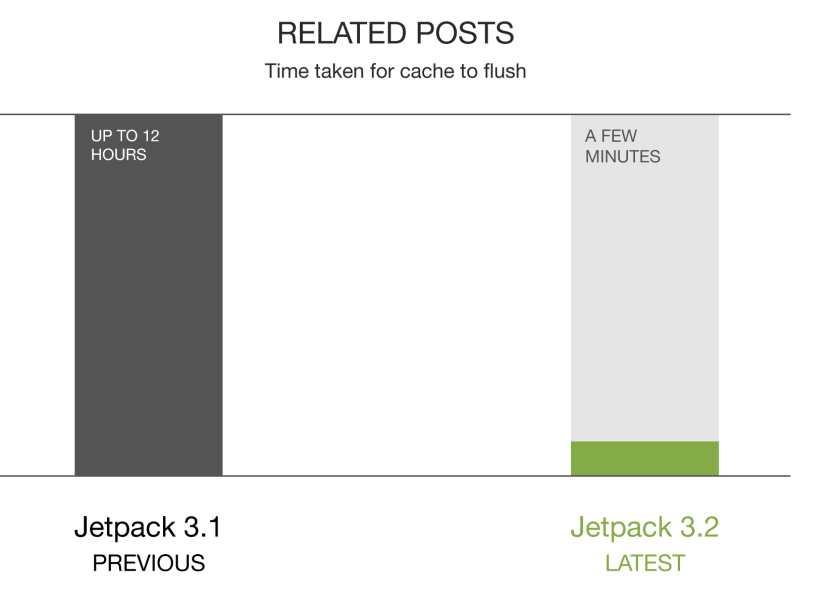
jetpack-3.2-graphs-related-posts-2

We’ve improved the caching mechanism for Related Posts. Previously, you’d have to wait up to 12 hours for the cache to flush and related posts to appear on newly-published posts. Now, it happens in just a few minutes!

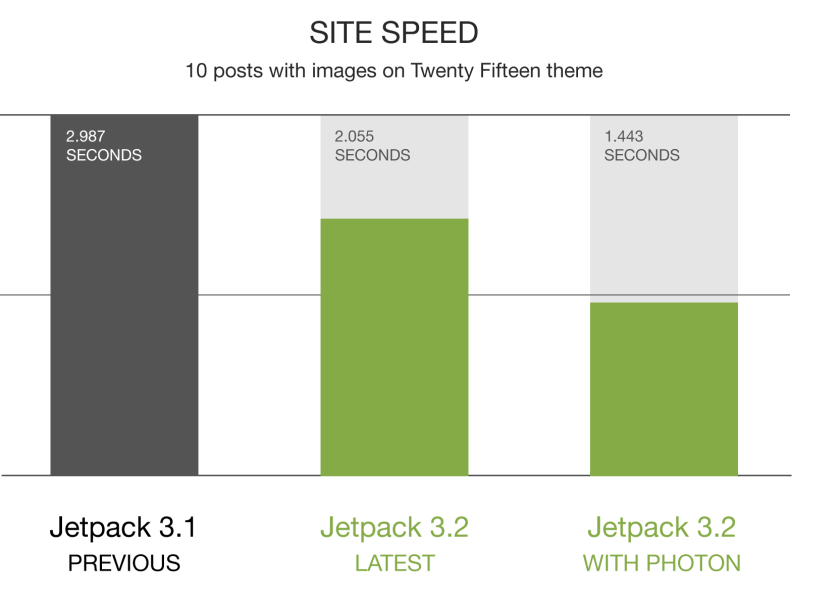
jetpack-3.2-graphs-site-speed-2

We’ve also worked on speed improvements at the heart of Jetpack, including consolidating and streamlining CSS and reducing the number of resource requests Jetpack makes. Coupled with Photon, this makes your site load faster – just one of many planned performance enhancements in store for Jetpack.

A Centralized Posting Experience

newposting-3

With Jetpack connected, you can now publish posts to your self-hosted WordPress site with the same editor available on WordPress.com giving you one centralized place from where to publish content, irrespective of where your WordPress site is hosted. Additionally, the new editor works great on mobile and tablets (and…

View original post 153 more words

WordPress for Android: No Longer Paying the Gingerbread Tax

Nick Bradbury's avatarWordPress for Android

gingerbread-man Way back in 2011 Google released Android 4.0 (“Ice Cream Sandwich”), a major update that substantially improved the platform both for developers and for end users. This left developers with a problem: how do they take advantage of all the new features without leaving users of older devices stranded?

For most developers the answer has been to support both older and newer devices. This requires a lot of work, but it’s worth it when it means many more people can use your software.

The downside is this approach slows development, resulting in longer delays between releases. It also means developers sometimes don’t take advantage of the latest Android features, because doing so requires more time and testing to make sure the app continues to work on older devices.

We’ve followed this approach for quite a while with WordPress for Android, supporting everything from the latest devices to ones running Android 2.3 (“Gingerbread”). At…

View original post 159 more words